

Doctors for AVs
Plus, Waymo feels some growing pains, Uber makes no apologies, and "the first ever autonomous commercial motor vehicle framework.”

Welcome to the Ride AI newsletter: The most comprehensive weekly digest of news and intelligence at the intersection of technology and transportation.
Quick reminder— early bird tickets for Ride AI 2027 are $500 through May 31. If you’d like to apply for an early spot at the show, please do so here.
Doctors For AVs
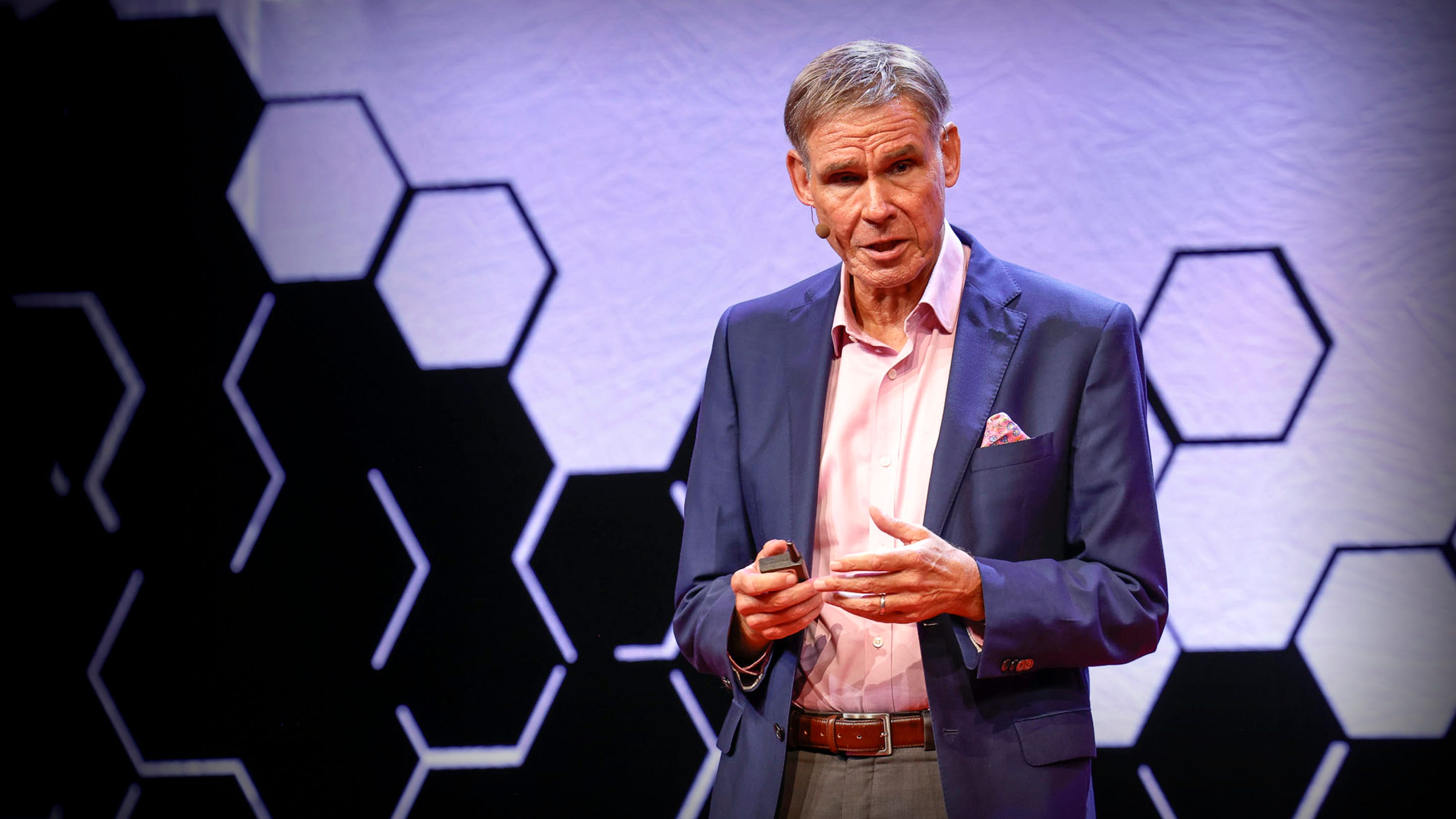
On May 14, Jonathan Slotkin, neurosurgeon and Chief Medical Informatics Officer at Geisinger, and Eric Topol, cardiologist & director of the Scripps Research Translational Institute, published an open letter on Doximity arguing that autonomous vehicle “safety data has reached a threshold we cannot responsibly ignore.” Co-signatories include Richard Carmona, the 17th U.S. Surgeon General under George W. Bush, along with surgeons, ER physicians, nurses, and researchers from medical institutions across the country. Axios ran a nice summary of the piece but otherwise, what may be the medical community’s first organized policy statement on AVs has gone largely uncovered amidst a busy week of news.
The article gets right to the point. More than 100 Americans die in car crashes every day, 39,000+ in 2024 alone, with crashes the leading cause of death for Americans aged 16-24. Annual economic and quality-of-life costs from US road deaths exceed $1 trillion, larger than the entire Medicare budget. Against that backdrop, Slotkin and Topol cite a 2025 peer-reviewed study covering 56.7 million fully driverless miles showing an 85% reduction in serious-injury-or-worse crashes vs. matched human drivers, and Waymo’s most recent 170M-mile dataset showing reductions of 92% in serious-injury crashes, 92% in pedestrian injury crashes, 85% in cyclist crashes, and 96% in intersection crashes, the deadliest type. The population-level effect, the authors argue, “could rival seatbelts or the decline of smoking.”
Per Axios, Slotkin says neither he nor Topol have any financial stake in AVs. Rather, his underlying motivation is that “I’m a neurosurgeon that practices and frequently have blood on my hand from car crashes, including of children.”
More than anything else, I’m struck by the juxtaposition between how different a tone is being set in AV communications vs the broader moment in AI, where Eric Schmidt is getting booed out of college stadiums, utterly failing to present any vision for how AI will improve quality of life for the graduates he’s ostensibly addressing.
AVs are arriving in the middle of a much larger contested public reckoning with AI, and the same skepticism dragging down trust in the foundation models threatens to bleed into the cars that use them. The world’s most powerful AI companies have failed to craft a coherent narrative about how AI improves the quotidian lives of everyday people. To further scale AVs, our industry may well have to soon carry more of that torch.
Domestic News
Waymo felt some growing pains this week. Last Wednesday, Waymo announced expanded coverage to 1,400+ square miles across 11 cities — a footprint now larger than Rhode Island. The rollout starts in Miami with broader coverage in Austin, Atlanta, Houston, and the SF Bay Area to follow, framed as “match-ready” for the 2026 FIFA World Cup. Of course, fans bold enough to brave the swamps of MetLife Stadium in New Jersey will still have the pleasure of paying $100 to ride one of the most decrepit rail systems in the modern world. As for Waymo, the company now serves 20M+ cumulative trips and is targeting 1 million weekly trips by year-end vs. ~500K today. Pretty impressive stuff.
But……one day prior, Waymo issued a voluntary software recall covering 3,791 robotaxis — its entire active 5th and 6th-gen fleet — after an unoccupied vehicle drove into a flooded San Antonio roadway on April 20 and was swept into Salado Creek. NHTSA documents posted with the recall noted the software “may allow the vehicle to slow and then drive into standing water on higher speed roadways.” Sir Charles is gonna have an absolute field day with this one on Inside the NBA….IYKYK
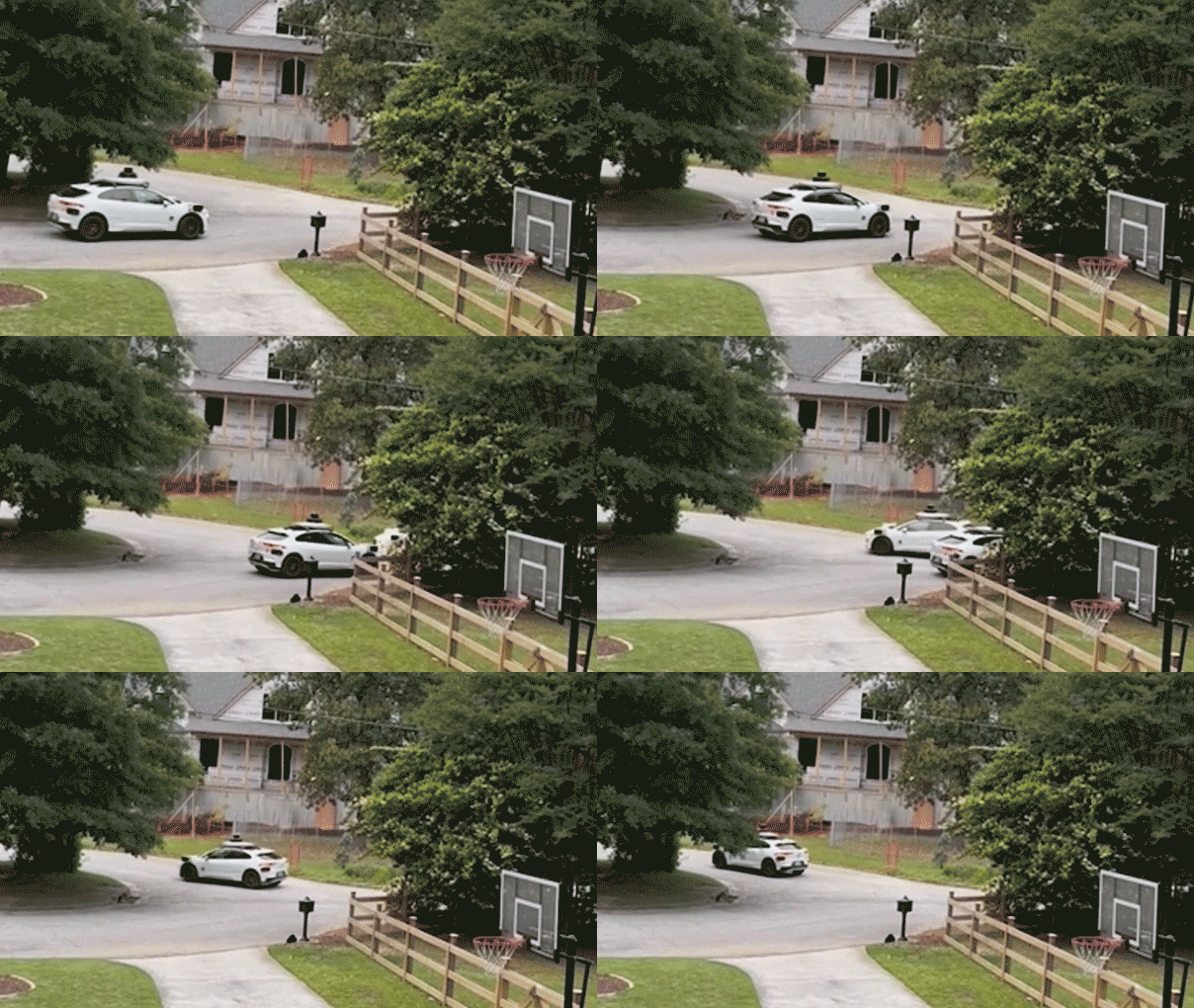
Then, of course, there’s the little conjuring circle that took place down in Georgia. Residents of Battleview Drive in Atlanta’s Buckhead neighborhood had their cul-de-sac swarmed by empty Waymos repositioning to wait for ride requests with one resident counted 50 vehicles in a single early-morning hour. Waymo said it has “already worked with our fleet partner to address this routing behavior,” the fleet partner here being Uber, which exclusively dispatches Waymos in Atlanta. Keep those conspiracy theories in your holster for now.
All of this takes place against the backdrop of California’s new AV regulations set to take effect July 1, which we covered in depth last week. Per Harry Campbell’s recent CPUC data analysis at The Driverless Digest, Waymo’s growth in California might be nearing its plateau. Waymo’s incremental California weekly ride growth dropped from +14,800 in January to +2,700, an 82% slowdown, even as non-California growth accelerated sharply over the same period.
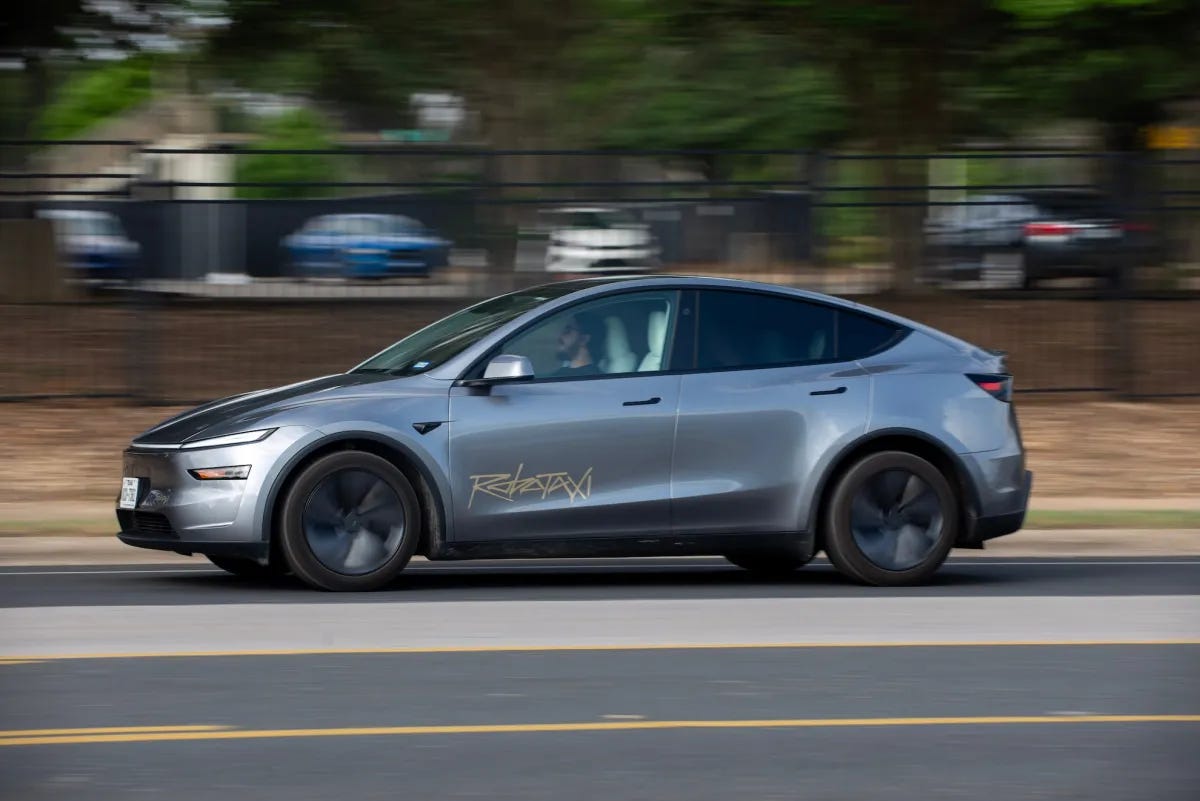
Tesla un-redacted the full narratives behind 17 Robotaxi crashes in newly updated NHTSA filings this week, after months of holding out. The crashes span July 2025 through March 2026, the entire run of the Austin Robotaxi pilot. Of the 17: 13 property damage only, two no injuries, one minor injury, one minor injury requiring hospitalization. As Engadget notes, the bulk are rear-endings and sideswipes from inattentive human drivers, consistent with many Waymo reports.
The eye-catcher: two crashes occurred while a Tesla teleoperator was actively driving the vehicle. In a July 2025 incident, the ADS got stuck, a safety monitor requested remote support, and the teleoperator drove the car up a curb into a metal fence at 8 mph, the only hospitalization in the dataset.
Business Insider’s Lloyd Lee broke a meaty piece on May 14 chronicling months of Uber executives publicly trashing their biggest robotaxi partner. The thesis: Uber is framing AV-only operators like Waymo as “less scalable,” “less equitable,” and “less reliable” than its hybrid model. On Uber’s Q1 earnings call on May 6, CEO Dara Khosrowshahi called the AV space a “trillion-dollar TAM,” confirmed Uber is live with AVs in eight cities targeting 15 by year-end, and noted Waymo’s launches were “not impacting” Uber’s business.
With the $10B+ Uber is throwing at parallel partner infrastructure, what we’ve deemed Robotaxi Moneyball, cracks in the bromance were somewhat inevitable. In classic Silicon Valley irony, Uber’s former CEO Travis Kalanick recently noted Waymo is “obviously” ahead in the robotaxi race. Uber’s response to BI came with impressive bluntness: “We will make no apologies for advocating for a hybrid future.”
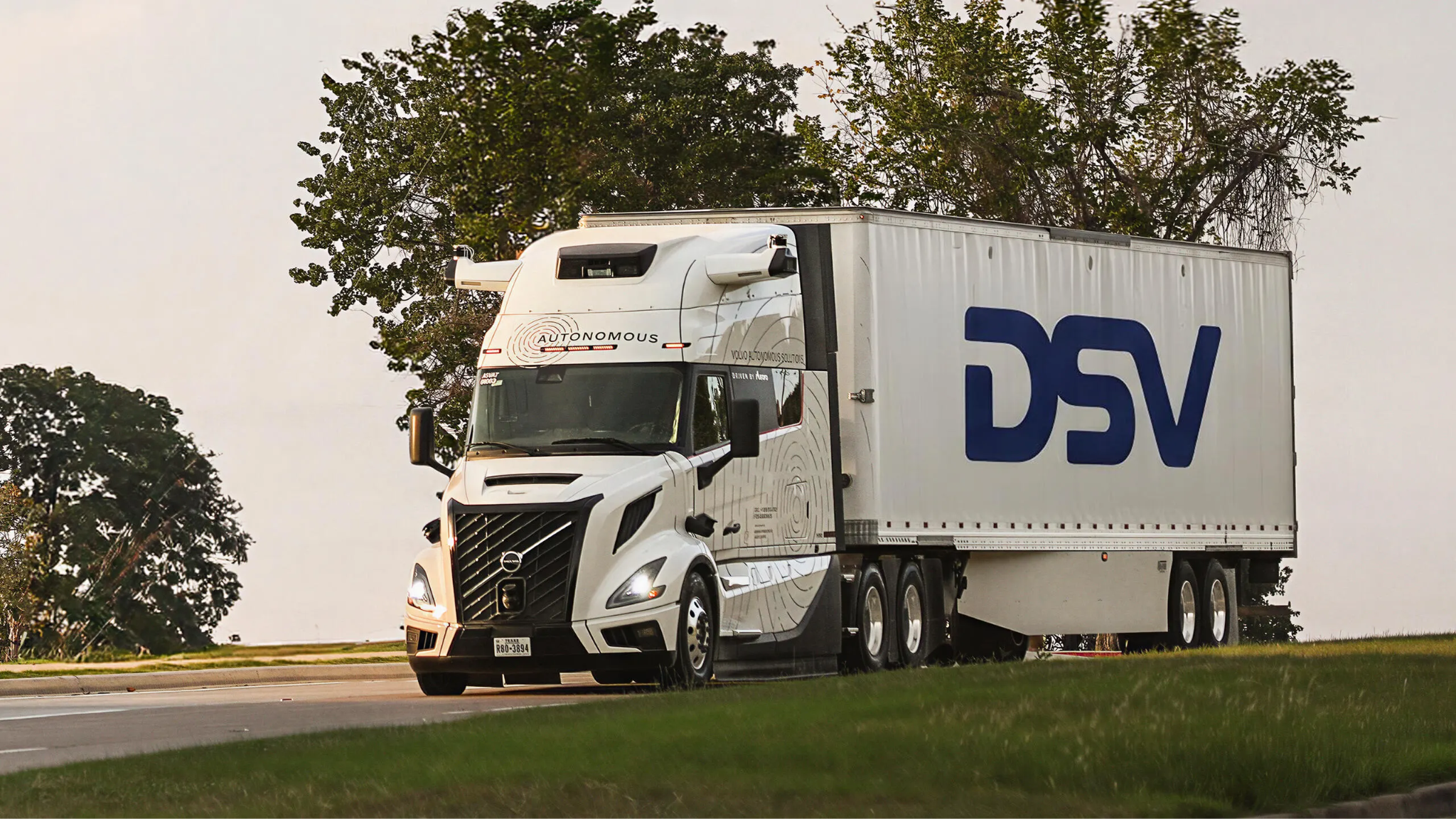
Volvo Autonomous Solutions and DSV hauled their first commercial autonomous truckload in Texas on May 13, using the production-spec Volvo VNL Autonomous powered by the Aurora Driver, hub-anchored in Fort Worth. The VNL Autonomous is the truck Volvo built ground-up at its New River Valley plant in Virginia specifically for L4, unveiled at ACT Expo in May 2024. DSV, now the world's largest freight forwarder following its DB Schenker acquisition. committed to expand "to additional lanes over time."
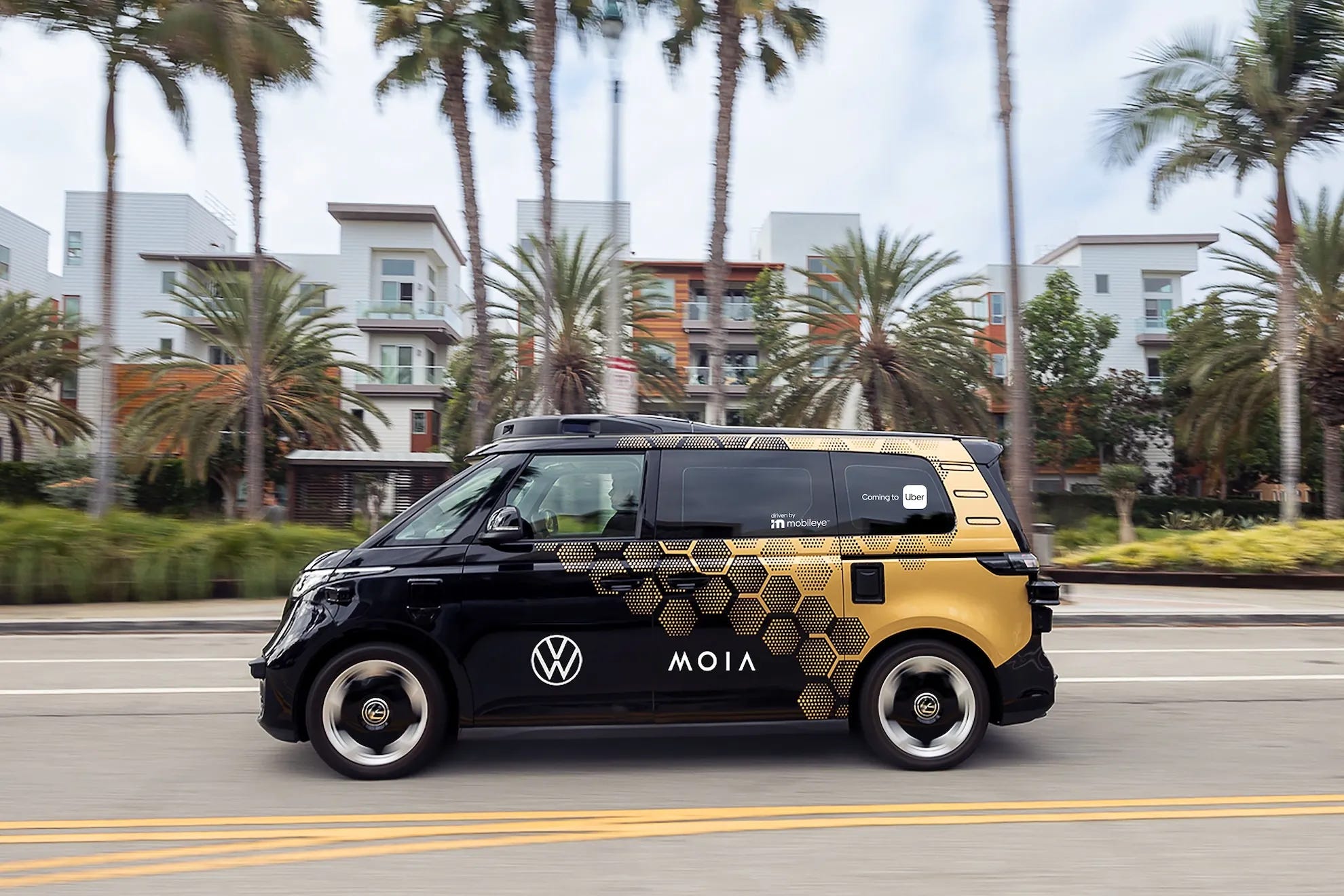
MOIA America — Volkswagen's autonomous mobility unit — and Uber began on-road testing of the ID. Buzz AD in Los Angeles this week, kicking off with about 10 vehicles operating with safety drivers in-cab. The fleet is scheduled to grow to 100+ vehicles by end of 2026, with commercial service opening at the end of 2026 and fully driverless service targeted in 2027. MOIA America has stated an intent to scale to 500+ vehicles in LA by Q3 2027.Under the hood, the ID. Buzz AD runs the Mobileye Drive platform on a 27-sensor suite (13 cameras, nine LiDAR, five radar), manufactured at VW's Hanover plant.
House Transportation & Infrastructure Chair Sam Graves (R-MO) and Ranking Member Rick Larsen (D-WA) released text yesterday for the bipartisan, five-year BUILD America 250 Act. Headline numbers include: $50B+ in bridge investments (the largest in history) and the first new Highway Trust Fund revenue stream in 30+ years, with EV owners now contributing. The bill received 11,000+ individual policy requests during 18 months of stakeholder input.
Most consequential for this audience, the bill includes “the first ever autonomous commercial motor vehicle framework.” We’ll have additional details next week as we work further through the legislation.
International News
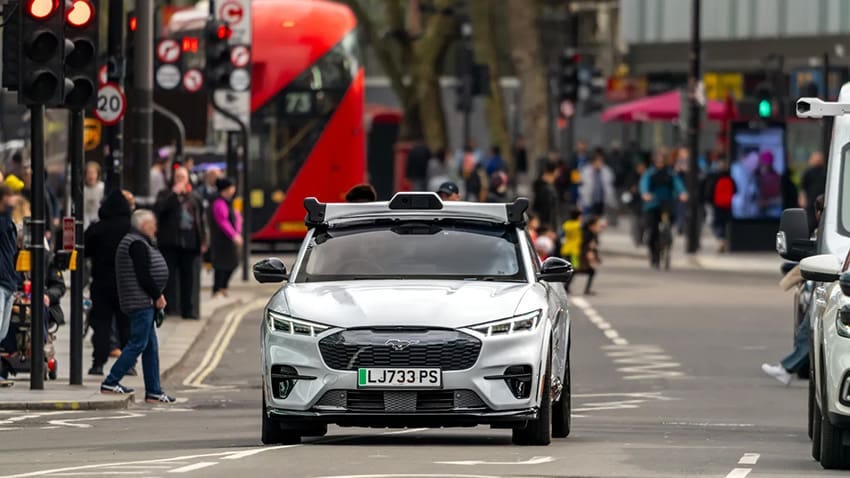
The UK government’s Department for Business and Trade signed a Memorandum of Understanding with London-based Wayve on May 12, formalizing a partnership covering safety assurance, simulation at scale, and integration of self-driving systems into production vehicle platforms. The MoU is non-binding and commits no public funding, but reflects an explicit ambition by the Starmer government to position the UK as the “first European market” with comprehensive AV legislation and as a manufacturing hub for the sector.
The agreement comes three months after Wayve’s $1.2B Series D (which brought Wayve’s total raised above $2.5B and added Mercedes-Benz, Nissan, and Stellantis to its cap table alongside additional capital from Uber, Microsoft, and NVIDIA) and ahead of a planned commercial robotaxi launch in London later this year with Uber using Wayve’s camera-first, mapless AI Driver. Notable signatories on the UK side: Business Secretary Peter Kyle and Science & Tech Secretary Liz Kendall. The MoU also commits both parties to work together on “international standards and frameworks” for L4 driving, a quiet but meaningful bid for the UK to shape the European regulatory conversation.
WeRide reported Q1 2026 results on May 13: revenue of RMB 114.1M (+57.6% YoY), gross margin 34.7%, and a widening net loss of RMB 389.1M. The stock fell ~11% intraday on the print. The bull case in the release was geographic: WeRide says it is the only AV company globally with autonomous driving permits in eight countries: China, Switzerland, the UAE, Singapore, France, Saudi Arabia, Belgium, and the US. It also reported its Middle East subsidiary has reached operational profitability on its robotaxi business.
The earnings land while the China-wide AV permit freeze imposed after Baidu’s March 31 Wuhan stall remains in effect, constraining WeRide’s domestic growth runway. Pony.ai reports Q1 on May 26.
Other Quick Hits…
Rep. Kevin Kiley (R-CA) introduced the Shared Autonomous Mobility (SAM) Act in the House on May 12 to modernize federal procurement, testing, and funding rules for shared autonomous public transit. e).
Tesla’s unsupervised Robotaxi fleet grew to 39 vehicles as of this publishing, per the Robotaxi Tracker. 28 in Austin, 6 in Houston, 5 in Dallas, up from 9 in early April. Musk has explicitly tied the large-scale ramp to FSD v15, which he has said will be available by “early 2027.”
Tesla shares dropped ~3.7% on Friday May 15 as President Trump’s Beijing trade delegation, which Musk joined alongside Tim Cook, Larry Fink, Jensen Huang, and ~14 other CEOs, returned without securing FSD approval in China. Tesla had targeted Q3 for FSD approval on its Q1 call. Per Yahoo Finance, Tesla’s China market share has fallen to 3% of new-energy vehicles, with April sales down ~10% YoY.
Nuro opened its first European office in Munich this week, extending the Nuro Driver platform into a third global region after the US and Japan, and a precursor to validating its L4 stack against German road and regulatory conditions. The move arrives just as Uber begins testing Momenta-powered robotaxis in Munich under a separate program.
U.S. Sugar activated five unmanned John Deere tractors across 255,000 South Florida acres last week in what the company calls the largest commercial autonomous tractor deployment in the American sugar industry, running on ASI’s Mobius fleet management platform. John Deere’s market cap is >$150B, more than Ford and GM combined.
Pony.ai reported paid robotaxi orders during the May 1-5 Labor Day holiday rose 544% YoY, with a standout assist moving 3,000+ K-pop concertgoers in Guangzhou’s Nansha district across four nights.
Featured Job Post
Editor’s Note: Each week we highlight one job that’s interesting to this community and emblematic of trends in the broader space. We’re also open to sponsored job listings — to get in touch about a featured opportunity, email mike@rideai.org.
Head of US Public Policy, Wayve (Sunnyvale, CA preferred; US flexible)
Here’s a meaty role with extraordinary timing. Wayve is hiring its first senior US policy lead with an initial mandate to own California (DMV, CPUC, CARB, governor’s office) alongside federal-level work with USDOT, NHTSA, and Congressional offices.
That’s it from a busy week. If you enjoy this newsletter, share it with your friend, colleague, or boss. Thank you for reading.
-Mike