


This is the Ride AI newsletter: The most comprehensive weekly digest of news, intelligence and on the ground reporting at the intersection of technology and transportation.
Coming up, Waymo goes driver-out in Tokyo (and other regions), Pony.ai becomes the first driverless AV service in Europe, and Europe’s high-stakes vote on Tesla FSD.
But first. Today’s Ride AI newsletter is brought to you by our sister publication, BRXND.

Join us at the Times Center in New York on November 5 for BRXND NYC 2026 where CMOs, technologists, and creators building on the AI frontier come together for a day at the intersection of marketing and AI. We’ll have a dedicated meetup at the event of marketing leaders in the AV and automotive space- if you’d like to come hang, drop a note to mike@rideai.org.
Get your tickets now with code RIDEAI20 for 20% off registration.
Top Story
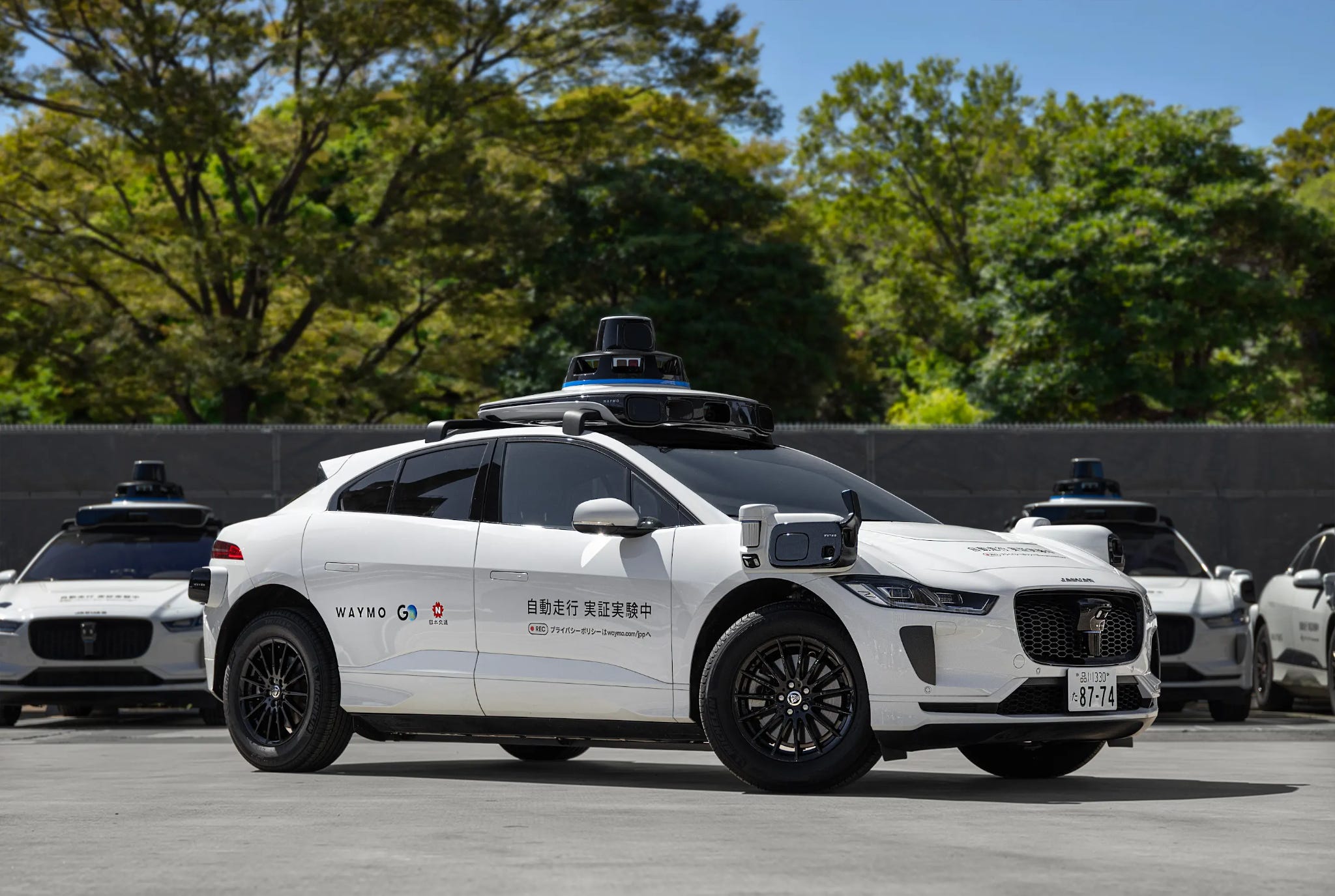
Waymo will launch autonomous ride hailing in Tokyo in 2027, partnering with taxi operator Nihon Kotsu and ride hailing app GO to offer on demand, 24/7 self-driving rides through both the Waymo and GO apps. The launch is contingent on permits and licenses from national and local authorities, with the initial fleet expected to grow to about 100 vehicles across key Tokyo neighborhoods initially.
Waymo started testing in Tokyo in 2025 ahead of this commercial agreement, and will run the same Waymo Driver system that now completes more than 500,000 trips a week across its US markets. Nihon Kotsu is framing the partnership as a way to ease its driver shortage, while GO plans to fold the self-driving cars into the same app riders already use to hail its human-driven taxis.
Along with the announcement, we got the first footage of the Waymo Driver operating autonomously on Tokyo roads. Check it out:
Domestic News
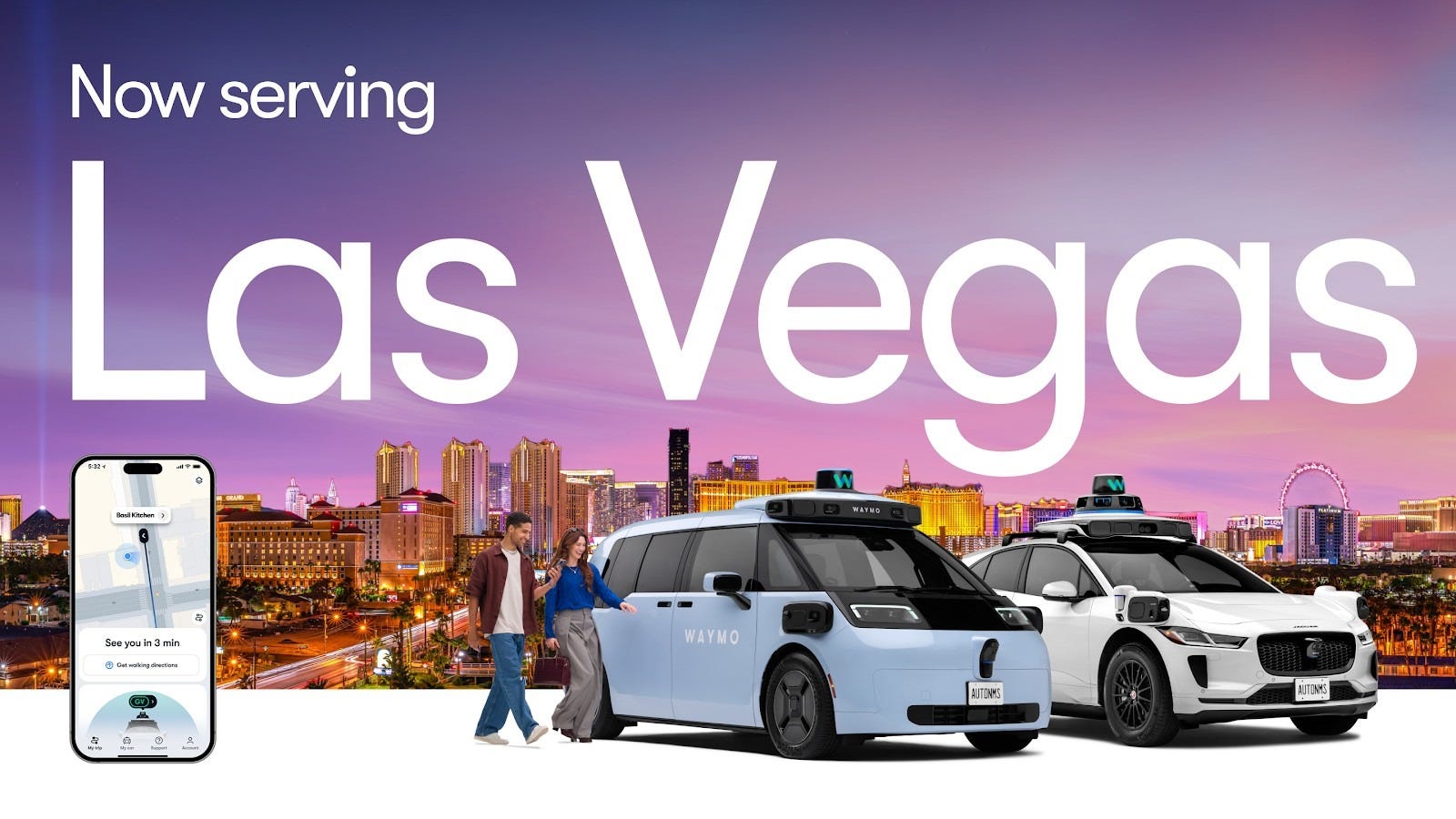
Waymo has opened its robotaxi service to the public in Las Vegas, its 15th U.S. city and the first time its cars serve the length of the Strip. The initial zone runs from Boulder Junction up Las Vegas Boulevard to Sahara Avenue and separately spans Spring Valley to Winchester, and access is rolling out gradually to residents and visitors who request it. More than 100,000 people asked to ride during Waymo’s months of testing on Vegas streets before the launch.
Las Vegas is one of the first three cities, alongside Denver and San Diego, to run a majority-Ojai fleet, the minivan Waymo built with Zeekr on its sixth-generation Waymo Driver. This is because Waymo’s supply of its ever-prominent Jaguar i-Pace vehicles is dwindling. Riders have been praising the Ojai for its spacious interior and updated materials. However, they have also been complaining about its significantly worse driving experience. My own experiences in the Ojai reflect the significantly worse driving behavior, and social media is littered with similar complaints.
Nevada regulators previously cleared Tesla, Uber, and Waymo to deploy up to 7,000 combined robotaxis over the next year, with Tesla holding the largest allocation at 5,000 and Waymo and Uber, through its Motional and Zoox partnerships, each capped at 1,000. Tesla’s own Cybercab chief engineer has told regulators the company doesn’t expect to field anywhere near its full allotment, saying he’d be “extremely happy” to reach 2,500 vehicles in the next year.
Waymo has also gone live on the Lyft app in Nashville, the first city where Waymo distributes rides through both its own app and a competing rideshare platform at once. The integration covers Standard, Priority Pickup, Wait & Save, and Extra Comfort rides at no added cost, and riders can decline a Waymo match and request a human driver instead.
Lyft’s fleet subsidiary Flexdrive will manage the vehicles out of a purpose-built, 80,000-square-foot depot opening in October, adding more than 70 full-time jobs in Nashville this year.
Tesla’s Cybercabs have shown up on New York City streets with steering wheels and human drivers. The vehicles are still sporting Texas plates, and have been testing across all five boroughs for several weeks.
New York’s transportation department has confirmed Tesla is running a supervised system that allows a human to intervene, and the state DMV says Tesla hasn’t filed for any autonomous-testing permit. State law requires a driver’s hands on the wheel, and the city’s Taxi and Limousine Commission bars autonomous vehicles from for-hire service outright, where some 180,000 drivers currently work. Tesla has declined to comment on how many Cybercabs are in the city or how long they’ll be testing.
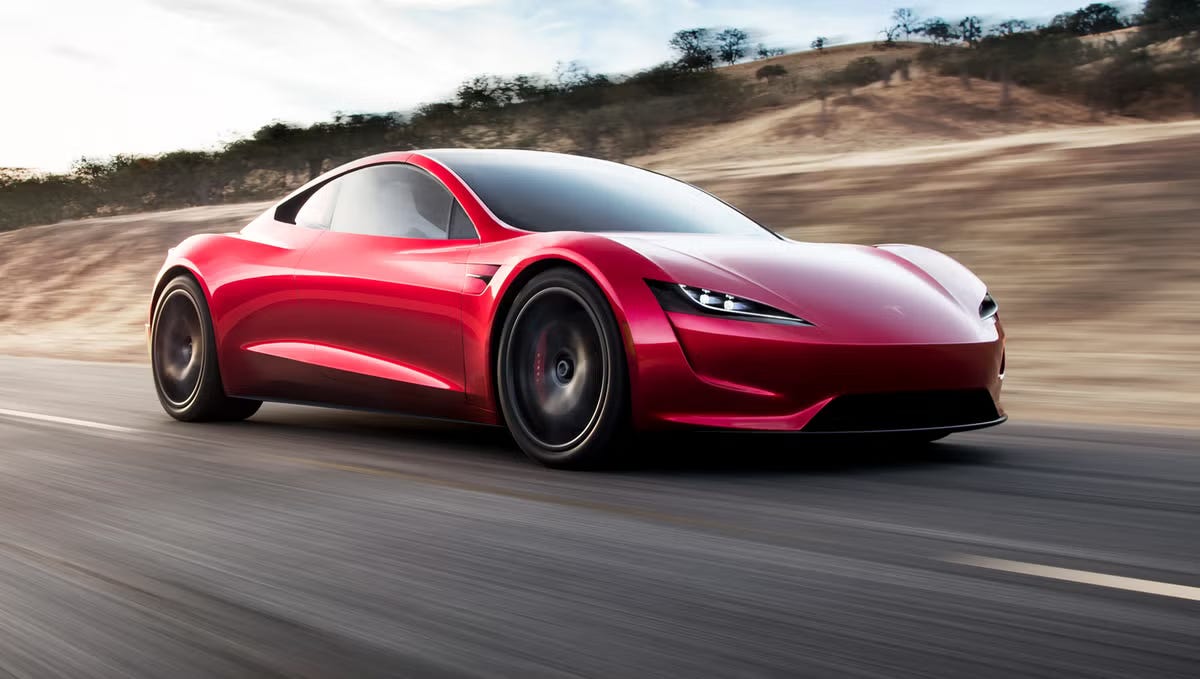
Speaking of Tesla, the Roadster is a “go for launch” on October 1, with a demo expected to take place at a SpaceX facility in McGregor, Texas, about 20 miles outside of Waco. For those keeping score, that means we would in fact get a Roadster before we get GTA 6.
We’ll have boots on the ground in Texas covering the event and will be in your inbox with all the details on October 2nd.
Virginia lawmakers are moving toward a regulatory framework for commercial self-driving vehicles, with a legislative workgroup finalizing recommendations due November 1 ahead of the 2027 session. The framework would cover ride-share, delivery, bus, and heavy-duty trucking operators, while leaving personal self-driving cars out of scope for now.
Sticking points include how much discretion the DMV should have to suspend or revoke an operator’s permit, how much real-time safety data companies must report, and how to fund worker retraining and first-responder training as the vehicles roll out.
Kodiak expects to deploy driverless long-haul by the end of 2026 as its driverless long-haul readiness measure climbs again, reaching 93%in August and keeping the trucking company on track to pull its safety drivers by the end of the year. The metric, which Kodiak calls its Autonomy Readiness Measure, tracks the share of claims and evidence completed in its safety case, and it’s risen steadily this year from 84% in February to 91% in July.
Kodiak already runs 35 trucks with nobody in the cab hauling freight in the Permian Basin.
Beep has closed a Series B led by Mobileye, bringing its total capital raised to $130 million to scale its AutonomOS platform for autonomous shuttle networks in cities and on college campuses.
International News
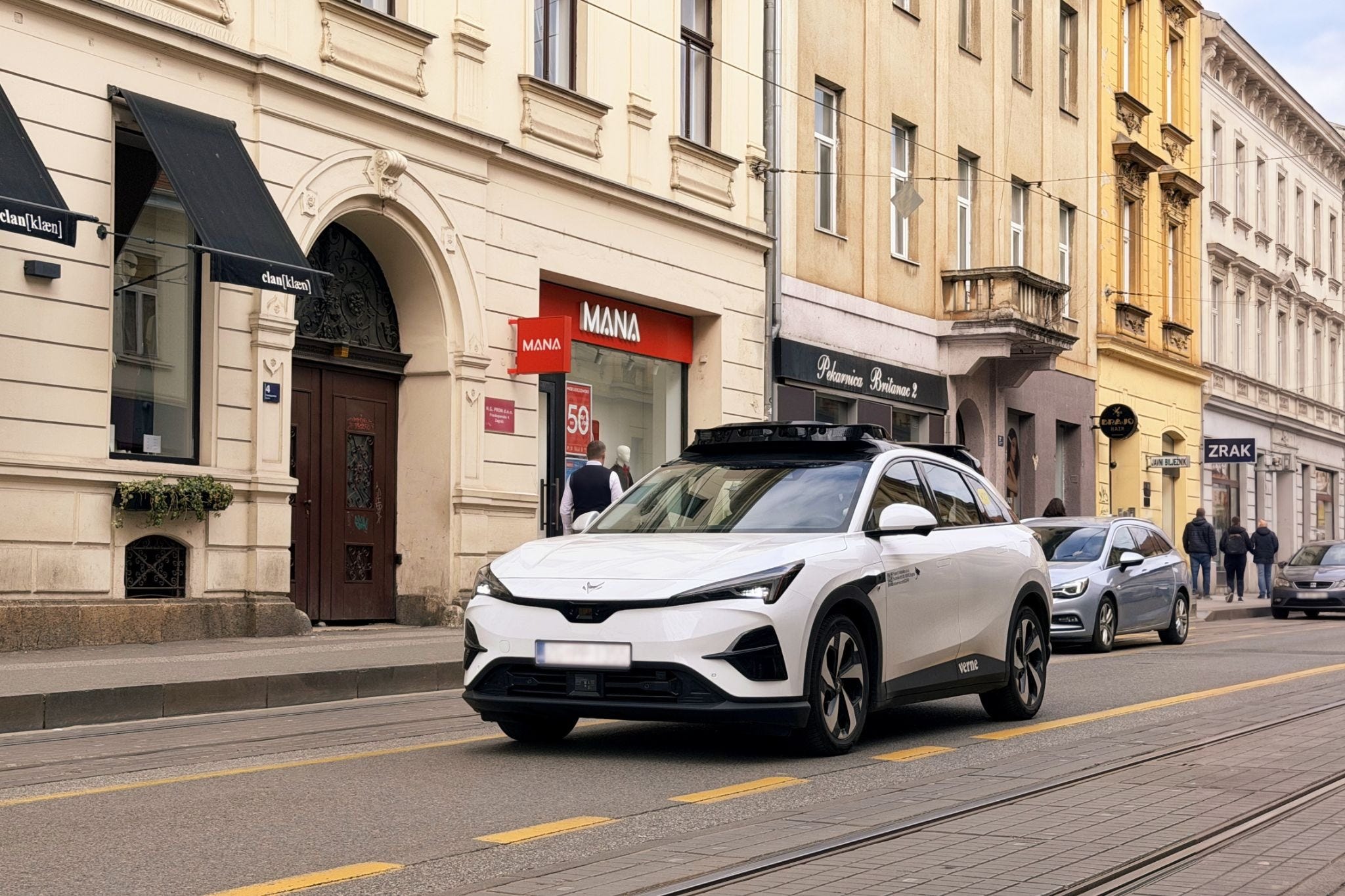
Pony.ai and Verne have started fully driverless robotaxi test rides with passengers in Zagreb, a European first that lets invited riders travel a 22-kilometer route linking Verne’s headquarters and a downtown Zagreb business district with Franjo Tudman Airport, with the driverless zone set to expand over the coming months. The milestone comes five months after Pony.ai, Verne, and Uber launched Europe’s first commercial robotaxi service, an onboard-safety-operator rollout that has since logged more than 200,000 kilometers and a 4.7-out-of-5 average passenger rating.
The vehicles run Pony.ai’s seventh-generation robotaxi hardware built on Nvidia’s Drive AGX platform, part of a fleet that has logged more than 100 million autonomous kilometers worldwide and already runs fully driverless commercially in four Chinese cities.
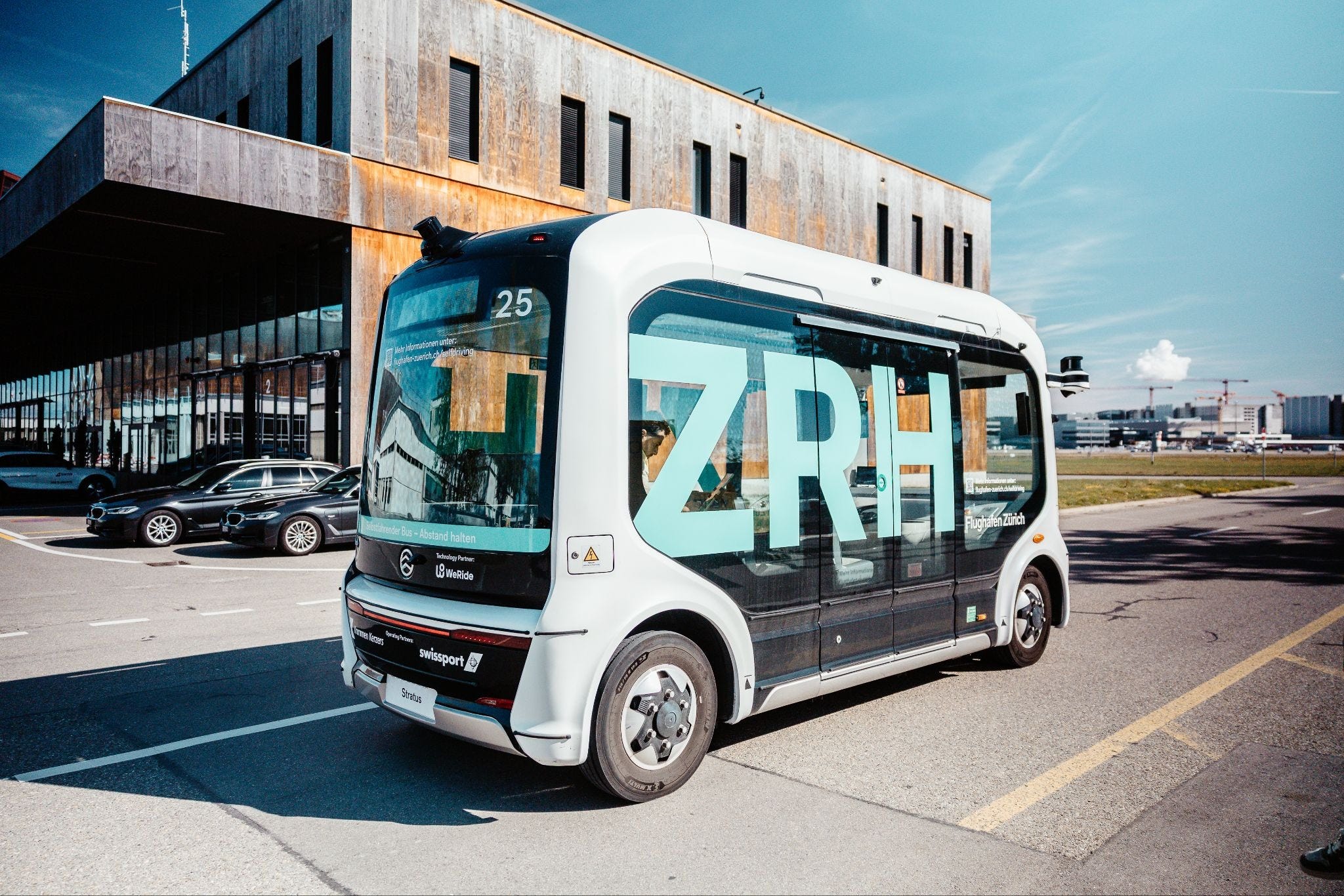
Zurich Airport has taken its two automated shuttle buses fully driverless, removing the safety driver from onboard for the first time and shifting to remote-cockpit monitoring instead, a step the airport calls Level 4 automation and one of the first such deployments at a European airport. The first fully automated trips began in early September without passengers, and employees are expected to start riding after about four weeks of testing.
The shuttles have run an employee route that avoids aircraft taxiways since Zurich Airport began developing the pilot with WeRide in March 2025, and together the two vehicles have already logged more than 15,000 kilometers. Employees of partner companies Swissport and Krummen Kerzers now staff the remote cockpit, retrained from their old jobs as onboard safety drivers.
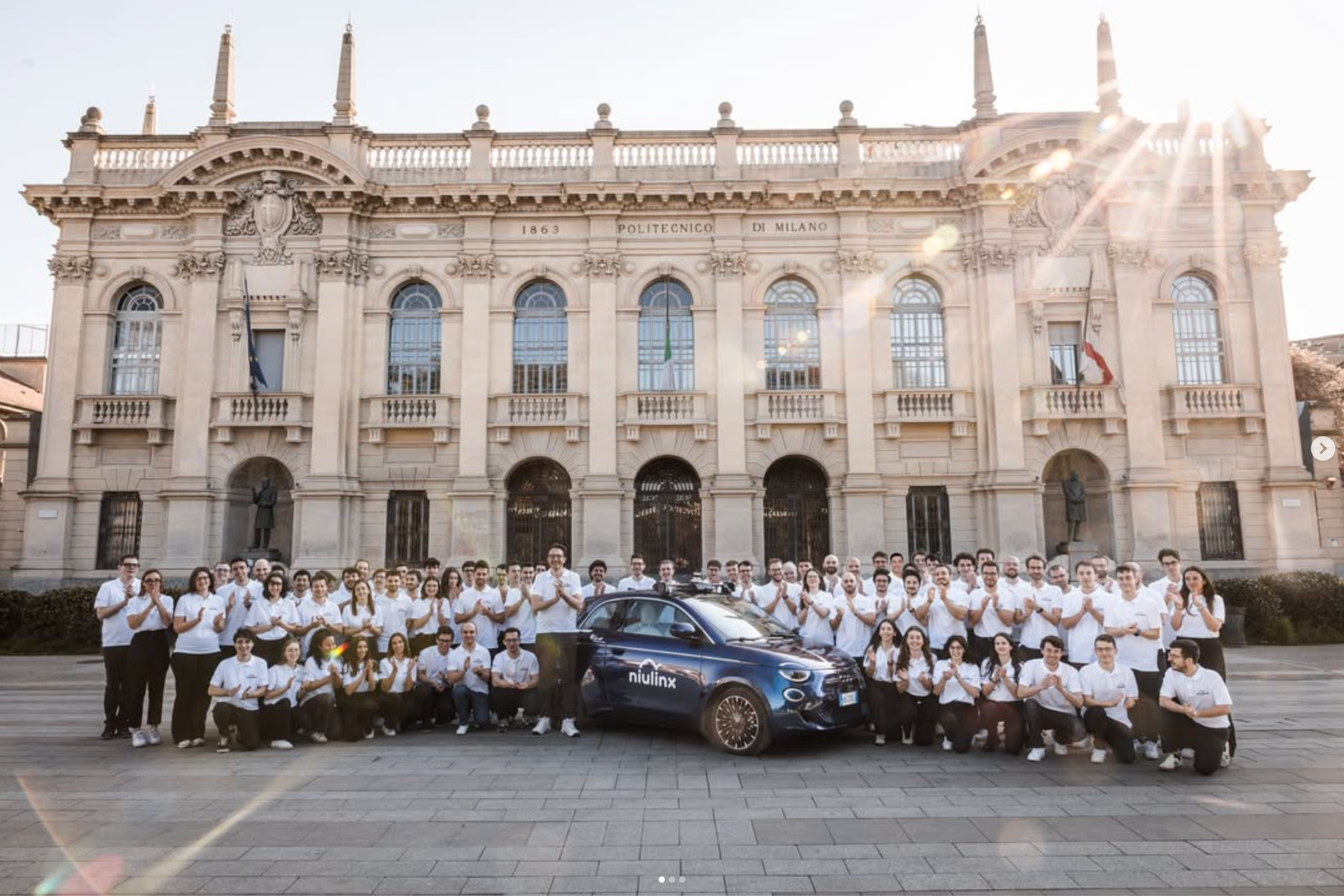
Milan has approved a three-year trial letting an Italian startup run self-driving shuttles and robotaxis on public roads, a deal the city council signed this month with niuLinx, a Politecnico di Milano spinout. The vehicles are Fiat 500e city cars capped at 30 kilometers per hour (more two-seater AVs!), and they drive themselves to pick up and drop off passengers but hand control to a safety driver for the ride itself.
niuLinx raised €38 million in a pre-seed round in April and already operates under existing rules in France, Germany, and Croatia, with a goal of winning European type approval for self-driving vehicles within three years. Milan is also filing for the European Commission’s ADACities program this month, aiming to become one of the region’s official self-driving showcase cities.
Waymo is reportedly preparing a robotaxi launch in Berlin, according to internal planning documents that describe mapping the city with up to 50 vehicles before the end of the year, ahead of a commercial launch targeted for 2027. Waymo hasn’t confirmed the plans, but Berlin’s city government has confirmed talks are underway, and the launch would make Berlin Waymo’s second German market after a Munich launch already set for late 2027. Germany still requires a Level 4 testing permit and a commercial operating license from the KBA, the federal motor authority, which has never granted that license to any company.
China has unveiled a new five-year plan for its auto industry, targeting 70% of new passenger-car sales as NEVs by 2030 and treating autonomous driving as a central pillar of the buildout. The plan calls for highly automated driving on highways, urban expressways, and select city roads by the same deadline, with demonstrations spanning passenger cars, buses, long-haul logistics, and urban delivery.
Commercial vehicles get a lighter target of 40% NEV share. The plan also requires autonomous systems to substantially outperform human drivers on safety before getting road access, and it calls for a crackdown on the unauthorized local subsidies some regions have used to prop up struggling automakers.
Six European Union countries have cleared Tesla’s FSD Supervised driver-assistance system for road use, and all six relied on a single safety review from the Dutch regulator RDW that has yet to be made public. The Netherlands approved FSD first in April, and Lithuania, Estonia, Denmark, Belgium, and Slovenia followed through the EU’s mutual-recognition process without running independent tests of their own.
Together, the six countries hold about 9% of the EU’s population. An October 6 vote on EU-wide approval needs support from countries representing 65% of that population, so France, Germany, or Italy would have to sign on, and none of the three has approved FSD nationally yet.
Tesla published its own safety dataset a week before Slovenia signed on, claiming FSD Supervised is 4.1 times less likely to be in a crash than a Tesla driven manually, drawn from more than 100 million kilometers logged by 70,000 European users. The European Transport Safety Council has raised concerns that the data Tesla presented is unreliable, as regulators weigh whether to widen FSD’s access across Europe.
Alright, that’s it from me… until next week. If you enjoy this newsletter, share it with your friend, colleague, or boss. Thank you for reading, Sophia out!
Always a nice update. But wow does Waymo-in-Tokyo (does waymo mean anything in Japanese BTW?) seem like a slam-dunk to me. 1. Culture enraptured with anything robotic. 2. Culture quite comfortable in talking to machines. 3a. Severe low-skill labor shortage plus 3b. general aversion to filling that labor gap through immigration 4. Not really any snow 5. Playing nice with the taxi companies 6. Roads and streets with stunningly clear markings 7. Minimal jaywalking (IMHO)... go for it!
Yes, another nice update. Many thanks, Sophia.
So, Tesla’s Cybercabs are tiptoeing around the streets of the Big Apple with a driver who’s required to have their hands on the steering wheel. Tesla doesn’t have a permit to do any testing and they aren’t answering anyone’s questions about it, so we’ll see what happens.
When we dig to China to find other news, we see that they have unveiled their 15th five-year plan. This one has a target to have 70% of new passenger-car sales as new energy vehicles (NEVs) by 2030 alongside large-scale deployment of autonomous vehicles. China likes to brag, so we’ll see what happens.
Do kids try to dig to China in their backyards anymore? I remember doing that with my neighborhood friends. Fortunately we never got in over our heads...