

Waabi Gets Into Robotaxis
Plus, it was bound to happen, but Waymo has hit a kid.

Welcome to the Ride AI newsletter: your weekly digest of news and intelligence at the intersection of technology and transportation.
And our next speakers are…

Adrian was also formerly the Director of Infrastructure at Cruise, and Neha was formerly at Google heading up their Data Centers division. You definitely do not want to miss what these speakers have in store for you at Ride AI.
So don’t miss your chance to be where it’s actually happening. Sign up for our waitlist. It takes less than 10 seconds to join, so do it now before spots run out…
We are also starting to sell out on sponsor opportunities at SFJAZZ Center, including a VIP dinner, after party and space for vehicles where attendees will be able get up close with the latest robots and AVs and get their own rides. If you are interested in sponsoring, get in touch at this form. Here are the first few of our publicly announced sponsors to date:
Now, Here’s What You Need To Know Today.
Waabi is expanding into robotaxis, and it is bringing Uber along for the ride.
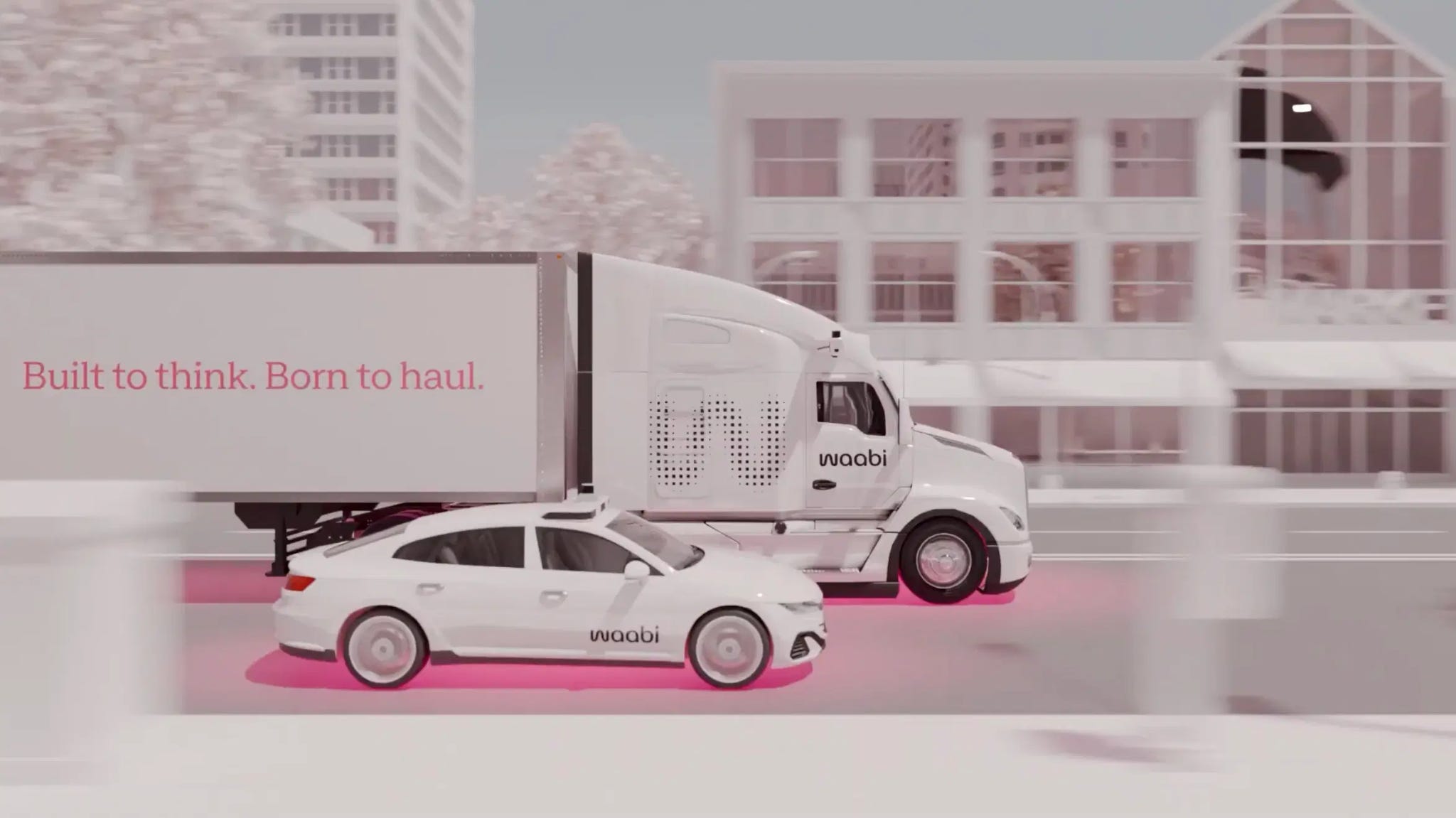
The Toronto-based autonomous trucking startup says it is widening its scope beyond freight into robotaxis, with plans to put them on Uber’s platform. Founder Raquel Urtasun, a former leader from Uber’s Advanced Technologies Group, framed the move as a natural extension of Waabi’s “physical AI” approach, arguing that many of the behaviors trucks need for commercial routes, like arriving precisely for loading and unloading, map closely to passenger pickup and drop-off.
The scale target is what makes the announcement feel ambitious. The announcement comes as Waabi raises $1 billion in new capital, including a $750 million Series C led by Khosla Ventures and G2 Venture Partners plus additional capital from Uber, specifically for robotaxi development. The company has set a minimum goal of 25,000 robotaxis on on Uber’s network as a fundraising benchmark.
However, details are light on specifics, including the timeline, the launch markets, the vehicle platform, and who actually owns and operates the fleet. Basically everything else for running a service. Waabi, for its part, emphasizes it sees itself primarily as a technology provider.
This is quite an interesting move on Waabi’s part. Is the company diversifying because it wants to… or because it has to? What do you think? Let me know in the comments.
It’s been up and down for Waymo this past week before securing $16 billion in new funding.
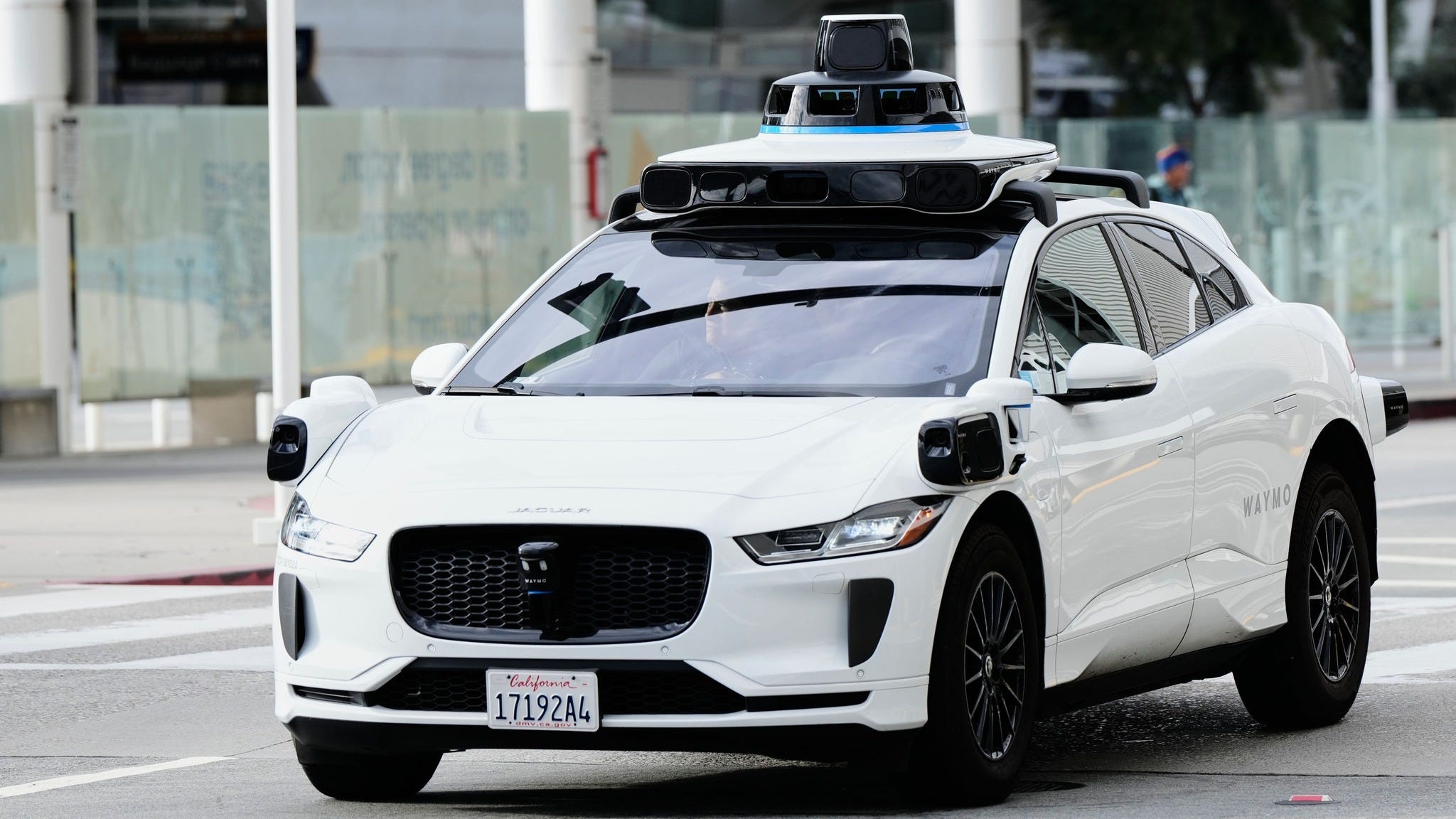
One of the company’s robotaxis struck a child, and the fallout is still ongoing. The incident occurred near an elementary school in Santa Monica on January 23, causing minor injuries and prompting the National Highway Traffic Safety Administration to open an investigation. The agency says the incident unfolded during school drop-off hours, with children nearby, a crossing guard present, and several double-parked vehicles in the area.
Waymo says its vehicle was traveling about 17 mph when the autonomous system detected the child running out from behind a “tall SUV” and braked hard, dropping to about 6 mph before contact. The company also said the child stood up immediately after and walked to the sidewalk while Waymo called 911. The robotaxi then pulled over until law enforcement cleared it.
The NHTSA Office of Defects Investigation says it is examining whether the robotaxi exercises appropriate caution given the proximity to a school zone and the presence of vulnerable road users, and it is also looking at intended behavior around school pickup and drop-off times, including speed limit adherence.
The incident happened right before Waymo finalized a $16 billion investment round aimed at expanding to more US cities and pushing into select international markets. In a blog post, Waymo’s co-CEOs said the company planned to use part of the money to buy more vehicles and grow fleet capacity as it targeted launches in at least 20 new cities in 2026.
Waymo currently operates more than 2,500 robotaxis across six US cities, recently launched service to a few American airports including most recently San Francisco International Airport on January 29th, and is looking to launch in many more high profile ones, including London, which the company is rumored to launch a driverless passenger pilot in in April, with a full launch possibly in September.
The round valued the company at $126 billion, and was led by Dragoneer Investment Group, and pulled in new backers like Sequoia Capital, with many investors returning, including Andreessen Horowitz and Tiger Global. Waymo’s last raise was $5.6 billion in 2024, which valued it at $45 billion.
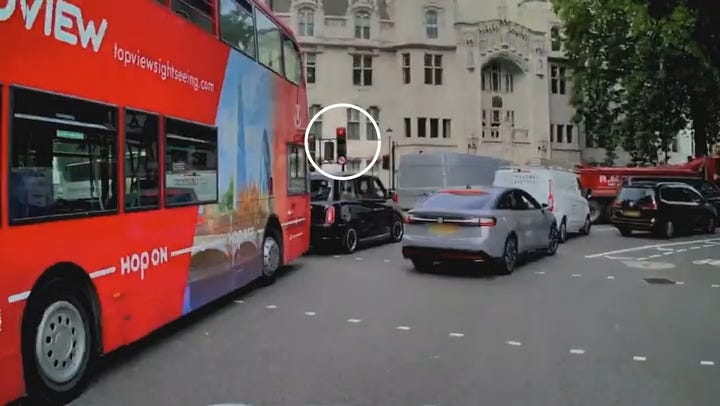
On the subject of robotaxi oopsies, The Telegraph published a piece pointing out that Wayve’s video of its robotaxi taking its CEO Alex Kendall to Buckingham Palace shows the robotaxi running a red light.
I examined the video myself, available in the link above, and I have to say, to me it feels a bit nebulous whether or not the vehicle was over the white stopping line when it stopped early to leave the intersection clear during heavy traffic. If the vehicle was over the white line during a red light and traffic in front of it on the other side of the intersection moves up, I could understand why the Wayve driver would have simply proceeded with traffic, despite the light being red and the vehicle being on the other side of the intersection. However, if the vehicle was behind the white line, it would be inexcusable.
Wayve, on its part, did issue an apology for the maneuver and said it would investigate.
In Other News…
Alright, that’s it from me… until next week. If you enjoy this newsletter, share it with your friend, colleague, or boss. Thank you for reading; Sophia out!
Strong coverage of the Waabi pivot. The 25k robotaxi benchmark feels almost impossibly ambitious given how capital intensive fleet operations are, especially without owning assets. I've seen similar tech provider models struggle when they underestimate operational complexity. The Waymo incident timing with the $16B round is brutal optics butthe investigation focus on school zone protocols makes sense given how diferent that context is from normal driving.